Toilet Paper vs. Bidets: The Overlooked Link Between Toilet Paper and Wellness
Discover how a daily essential may be exposing you to hidden toxins—and what cleaner, healthier alternatives can protect your body and the planet.
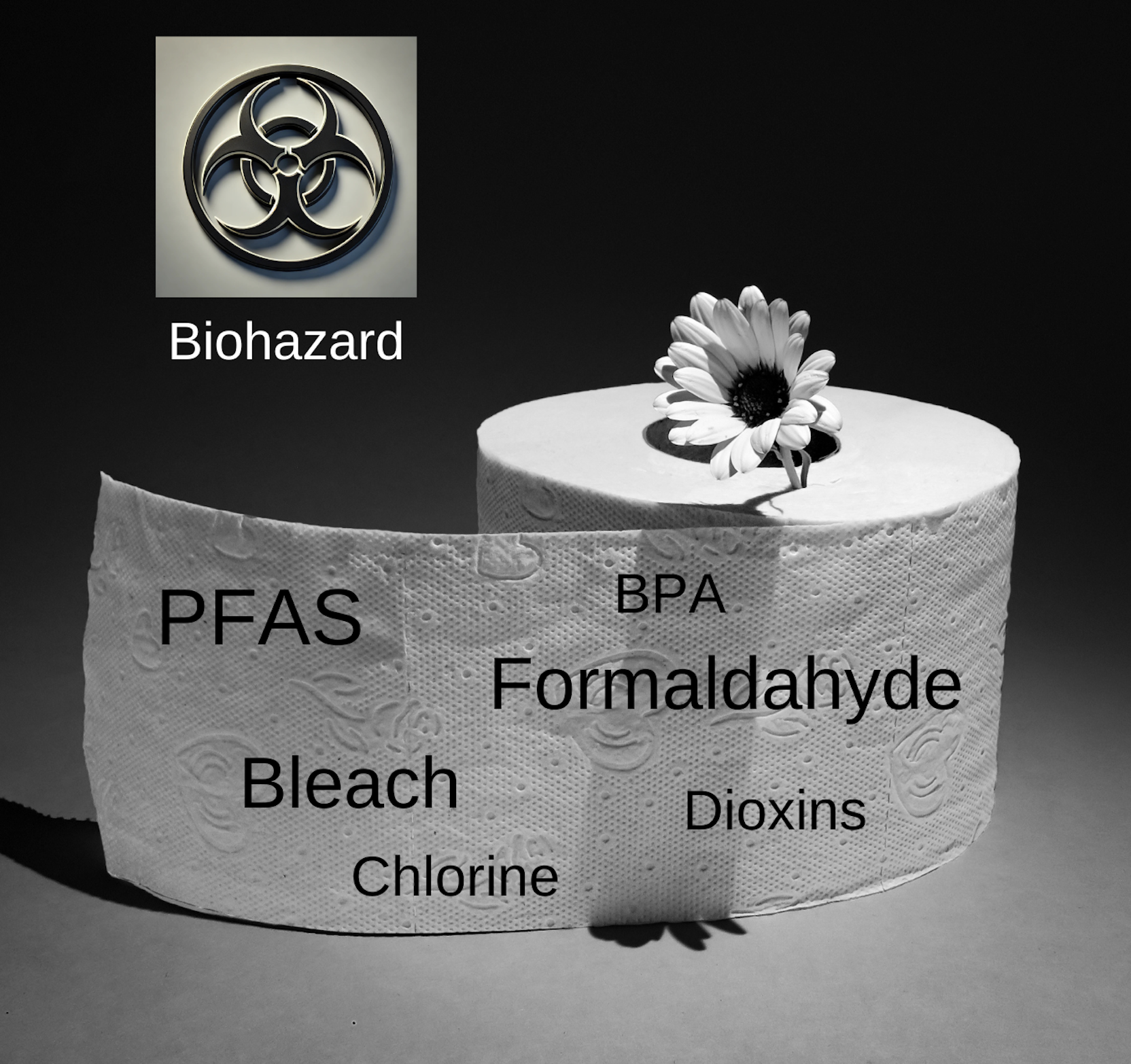
Toilet paper is a simple, everyday necessity, we don’t even think twice about, but its evolution over time reveals a startling shift in production methods, materials, and chemical treatments. What was once a relatively unprocessed product made from raw pulp or natural fibers has transformed into a heavily manufactured item laden with chlorine bleach, PFAS chemicals, formaldehyde, and even BPA from recycled content. While modern toilet paper is softer, stronger, and more absorbent, these conveniences come with hidden costs—both to human health and the environment. Understanding these changes is crucial in making informed choices about what we expose our bodies and the environment to daily.
Harmful Chemicals in Toilet Paper
Chlorine & Dioxins
Many toilet papers are bleached with chlorine, which produces dioxins, compounds linked to hormone disruption, immune suppression, reproductive issues, and cancer. Even at low exposure levels, dioxins accumulate in the body over time, increasing the risk of chronic health problems.BPA (Bisphenol A)
Some recycled toilet papers contain BPA, a known endocrine disruptor. This contamination occurs because recycled paper may include thermal receipts and other BPA-laden materials. BPA exposure is associated with infertility, metabolic disorders, and developmental issues in children.PFAS ('Forever Chemicals')
PFAS (per- and polyfluoroalkyl substances) - referred to as “forever chemicals” because their half life is measured in decades. Once in the body, they essentially never come out. PFAS chemicals are synthetic, man made chemicals widely used for their water-resistant and non-stick properties. A recent study found PFAS in toilet paper, meaning direct exposure to these harmful substances. PFAS accumulate in the body and have been linked to cancers, hormone disruption, immune system damage, and liver toxicity.Formaldehyde
Used to strengthen and soften toilet paper, formaldehyde is a known carcinogen. It can cause skin irritation, respiratory problems, and increase cancer risks with prolonged exposure. Daily use of toilet paper qualifies as prolonged exposure.Fragrances & Lotions
Many scented or ‘ultra-soft’ toilet papers contain synthetic fragrances, dyes, and chemical softeners, which can cause allergic reactions, skin irritation, and vaginal infections.
Potential Health Risks
Hormonal Imbalance – BPA, dioxins, and PFAS interfere with estrogen and testosterone production.
Increased Cancer Risk – Dioxins, formaldehyde, and PFAS are linked to various cancers.
Skin & Vaginal Irritation – Harsh chemicals and synthetic additives can cause itching, burning, and infections.
Gut & Liver Damage – PFAS chemicals accumulate in the body over time, affecting digestion, immune function, and detox pathways.
Safer Alternatives to Conventional Toilet Paper
Switching to health-conscious alternatives can significantly reduce your exposure to harmful chemicals. Consider these options:
Plant Paper: PlantPaper is a sustainable, tree-free toilet paper made from 100% organically grown bamboo, free from chlorine, formaldehyde, BPA, and other harmful chemicals found in conventional brands. Designed for both strength and softness, it provides an eco-friendly and non-toxic alternative that is better for both personal health and the environment.
Unbleached Bamboo Toilet Paper – Naturally soft, antimicrobial, and free from chlorine bleaching.
100% Recycled Paper (Chlorine-Free) – Look for brands using TCF (Totally Chlorine-Free) or PCF (Processed Chlorine-Free) methods.
Reusable Cloth Wipes – A washable, sustainable option for those looking to minimize waste and chemical exposure. I use these with my bidet. You’re not wiping feces with these. You’re patting the water off after using the bidet.
Bidet Attachments – A water-based solution that reduces or eliminates the need for toilet paper, offering a cleaner and more eco-friendly alternative.
Admittedly, the lack of adoption and resistance to the use of these in the states is puzzling to me. Though most Americans think of their use as bizarre, I can only attribute this to cultural programming. We’re creatures of habit and generally don’t question the habits we’ve adopted because most are developed by emulating others. We think to ourselves, “No one I know uses a bidet, why would I? Conversely, everyone I know uses toilet paper, why would I ever do different?”
An analogy I use with my friends who think owning a bidet is so strange, is dog feces. If slipping in your yard and falling into a pile of dog feces, would you go in the house and simply wipe it off with a paper towel or toilet paper and feel clean? The obvious answer is “No!” You’d use soap and water to remove it. And yet, when it comes to our bum, (an Australian word for our hind side), we don’t think twice about simply wiping - and let’s be honest calling it what it is, smearing our feces until it thins out - and moving on with our day. Personally, I prefer the use of water and pressure washing. It’s a preference and I feel very clean. I pat my bum dry with my reusable cloth wipes and go about my day. The financial savings on toilet paper alone is worth it.
One final note on this . . . Few of us fully understand how completely dependent we are on supply chains. We learned the hard way in 2021 when there was a disruption in supply chains, and here where I live, people were getting up and waiting outside of grocery stores at 4am, for the daily shipment of toilet paper. People were hoarding, fighting, and filling their cars and the beds of their trucks with stockpiles of toilet paper. All the while, I had my bidet attachment on my toilet, zero concern, and could only watch in amazement at the craziness unfolding in the world around me.
Global Bidet Usage
While bidets are relatively uncommon in the United States, they are standard fixtures in many parts of Europe and Asia.
Europe: In countries like Italy, the installation of a bidet in every home has been mandatory since 1975. France also shows high prevalence, with bidets present in 95% of households as of 1990. Other countries such as Portugal, Spain, and Greece commonly feature bidets in bathrooms.
Asia: Japan is renowned for its advanced bidet-integrated toilets, with approximately 76% of households equipped with such facilities. Bidet showers are also widespread in Southeast Asian and Middle Eastern countries, aligning with cultural practices emphasizing cleanliness.
United States: In contrast, bidet usage remains limited. As of recent reports, only about 12% of Americans are familiar with bidets, and an even smaller percentage have regular access to them.
Benefits of Using Bidets
Enhanced Hygiene – Bidets provide a thorough cleansing with water, reducing the risk of infections and promoting better personal hygiene compared to toilet paper alone.
Environmental Conservation – Reducing toilet paper usage decreases deforestation and the environmental impact associated with paper production.
Cost Savings – Over time, using a bidet can lead to significant savings by lowering the expenditure on toilet paper.
Comfort for Sensitive Skin – Water cleansing is gentler, making bidets beneficial for individuals with sensitive skin or conditions like hemorrhoids.
Overcoming Cultural Barriers
The limited adoption of bidets in the United States can be attributed to cultural norms and a lack of awareness. However, with increasing emphasis on sustainability and personal health, bidets are gaining attention. The market is witnessing growth, with sales increasing annually, indicating a shift in consumer preferences.
Conclusion
While toilet paper may seem harmless, the chemicals used in conventional brands tell a different story. By choosing safer alternatives like bamboo toilet paper, recycled paper, or bidets, you can protect your health while reducing exposure to harmful substances. Your skin, immune system, and overall well-being will thank you.
An Invitation:
To truly transform your health and overcome chronic fatigue, chronic disease, and other challenges, it's crucial to uncover advanced health strategies and adopt new, healthy lifestyle habits. Imagine making conscious nutritional choices, creating a chemical-free, non-toxic household for your loved ones, and finding companies that provide products with certifiably safe ingredients. Picture yourself with a structured daily fitness regimen (suitable for all levels of fitness), experiencing deep restorative sleep, and effectively managing stress.
I want to personally invite you to explore the SHIFT ETHOS WELLNESS PATHWAYS PROCESS (Tab at the top of this page or link provided below) – a journey back to true health. Dive deeper into these essential elements and experience a comprehensive approach to wellness by enrolling in this revitalizing process, transforming your life, and embracing a healthier you!
Click here: SHIFT ETHOS WELLNESS PATHWAYS PROCESS, to learn more and consider taking the first step towards revitalizing your health. Schedule a free consult by pressing the blue button at the bottom of the WELLNESS PATHWAYS page.
Resources
Wikipedia: Bidet Usage in Europe and Asia
"Bidet." Wikipedia, last modified February 16, 2025.
BusinessWire: American Bidet Awareness Study
"Bio Bidet Survey Reveals Americans Are Clueless but Curious About Bidets." BusinessWire, April 13, 2022.
CNN: The Rise of Bidets in the U.S.
Valinsky, Jordan. "Why Are Bidets Just Now Getting Popular in America?" CNN Business, March 24, 2024.
NRDC: Environmental Impact of Toilet Paper
Skene, Jennifer. "Toilet Paper Is Driving the Climate Crisis with Every Flush." Natural Resources Defense Council (NRDC), March 5, 2019.
ACS Publications: PFAS Contamination in Toilet Paper
Kwiatkowski, Carolyn F., et al. "Per- and Polyfluoroalkyl Substances in Toilet Paper and the Impact on Wastewater Systems." Environmental Science & Technology Letters, vol. 10, no. 3, 2023, pp. 186–191.
An Invitation to Holistic Transformation
True wellness thrives at the intersection of MIND, BODY, and our PLANET / ENVIRONMENT. The SHIFT ETHOS WELLNESS PATHWAYS PROCESS is a comprehensive, structured journey that guides you through every dimension of health:
Mind: Cultivate mindfulness, discover emotional / stress resilience techniques, and enhance mental fitness with meditation, breathwork, and brain-rewiring techniques.
Body: Optimize physical health - and prevent chronic disease with dietary & nutritional meal plans, build strength with a scalable fitness regimen, unlock consistent deep restorative sleep, and learn how to effectively manage stress.
Planet: Acknowledge that your outer environment shapes your inner health—detox your home of toxic cleaners, petroleum-based detergents, cosmetics, and other biotoxins to create a chemical-free sanctuary that supports both body and mind.
Imagine waking each day with a clear mind, energized body, and the confidence that your environment supports—not sabotages—your health.
I’d love to invite you to explore the SHIFT ETHOS WELLNESS PATHWAYS PROCESS. Discover a truly integrated approach to vibrant living.
When you’re ready to see how this all-in-one program can support your unique goals, schedule a free consult by pressing the blue button at the bottom of the WELLNESS PATHWAYS page.
Let’s embark on this journey together.
Love & Light to You in your continued Journey of Self-Discovery!
David
Disclaimer:
I am not a medical doctor or a medical practitioner. I am not legally permitted to claim I treat, cure, or heal disease. I can, however, provide educational content with respect to building/restoring and maintaining optimal health through nutrition, diet, sleep support, and exercise, which can reverse health conditions.Any information provided on this site is not intended to be a substitute for professional medical advice, diagnosis, or treatment. Always seek the advice of your physician or other qualified health provider with any questions you may have regarding a medical condition. Never disregard professional medical advice or delay seeking it because of something you have read on this web site.This website summarizes information on the role of nutrition, diet, and exercise in health, disease and wellness. Readers should be aware that knowledge of nutrition and medicine is constantly evolving. They are encouraged to frequently check the most current information available on preventive and therapeutic measures. It is your designated clinician’s responsibility, relying on their experience and knowledge of the patient, to determine the best course of action in providing care and your choice to follow it or not. The author, editor, and publisher of information on this website accepts no liability for any injury arising out of the use of material contained herein, and makes no warranty, express or implied, with respect to the contents of this online publication, or from the contents of sites or articles we provide links to. Double-click to edit...