How Fluoride and Conventional Mouthwash Disrupt Hormones, Damage the Microbiome, and Undermine Whole-Body Health
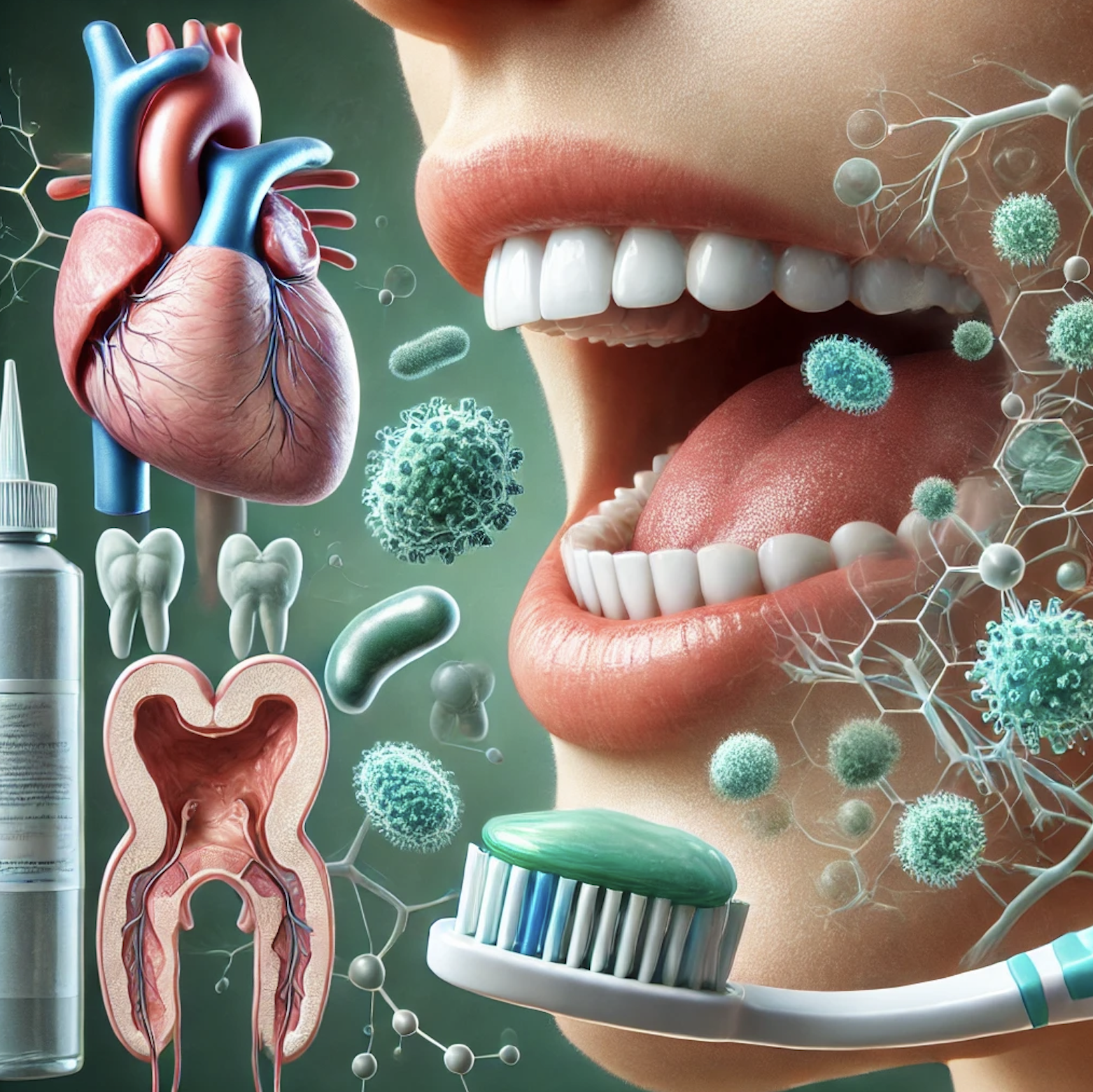
Oral health is often relegated to concerns about fresh breath and cavity prevention, but emerging science reveals that the mouth is a critical gateway to systemic wellness. Far from being limited to tooth decay, disruptions in oral ecology can ripple through the gut microbiome, hormone balance, cardiovascular function, immunity, and cognitive performance. This comprehensive guide unpacks the surprising drivers of poor oral health—many of which go beyond sugar—and explores evidence-based strategies for nurturing a resilient oral ecosystem.
Fluoride: Friend or Foe?
A Troubling Origin Story: During the Industrial Revolution, fluoride was introduced not for dental health but as an industrial byproduct. The United States began extensive mining and processing of aluminum and iron ore, involving fluoride compounds. Fluoride was widely used in electroplating glass, sterilizing metals, tanning hides, and manufacturing phosphate fertilizers. Alarmingly, it was also a key component in refining uranium for the atomic bombs developed during the Manhattan Project.
Despite documentation of fluoride’s harmful effects by the U.S. military, this information remained classified, preventing liability claims from workers exposed during the Manhattan Project. One especially hazardous byproduct, fluorosilicic acid, breaks down into hydrogen fluoride and silicon tetrafluoride—substances extremely corrosive to the eyes, respiratory tract, and internal tissues, absorbed through inhalation or ingestion.
Health Disruptions: Although fluoride is promoted for cavity prevention, extensive research indicates harmful consequences when exposure surpasses safe thresholds. Numerous studies have documented a strong association between fluoride exposure and lowered IQ in children, emphasizing developmental vulnerability.
Fluoride also disrupts thyroid function by competing with iodine uptake, potentially triggering hypothyroidism characterized by fatigue, weight gain, depression, and hormonal imbalances. Furthermore, evidence links fluoride exposure to decreased testosterone levels in men, reproductive toxicity, and impaired fertility.
In the gut, fluoride acts as a broad-spectrum antimicrobial, eliminating beneficial bacteria essential for digestion and immune regulation. This microbial imbalance increases gut permeability and systemic inflammation, adversely impacting oral and gut microbiomes.
Bottom Line: Once a toxic industrial waste product, fluoride now pervades toothpaste, tap water, and non-stick cookware. Though topical fluoride might temporarily reduce cavities, chronic systemic exposure poses real risks to endocrine, neurological, reproductive, and gut health.
Systemic Risks Linked to Oral Dysbiosis
Oral dysbiosis doesn't just affect your mouth—it can significantly impact overall health. Pathogenic oral bacteria can enter the bloodstream, triggering inflammation and contributing to cardiovascular diseases through increased arterial plaque and elevated C-reactive protein levels. Chronic oral inflammation can impair nitric oxide production, leading to conditions such as erectile dysfunction due to compromised vasodilation. Inflammatory stress linked to oral dysbiosis and fluoride exposure may lower testosterone levels, negatively affecting male reproductive health. Neuroinflammation caused by bacterial endotoxins from oral dysbiosis is associated with brain fog and cognitive decline. Moreover, imbalanced oral bacteria are linked to autoimmune disorders like rheumatoid arthritis and lupus through their influence on immune responses. Finally, fluoride-induced inhibition of iodine uptake by the thyroid gland can contribute significantly to hypothyroidism, impacting energy levels, metabolism, and overall well-being.
The Oral–Gut Microbiome Axis
Hundreds of bacterial species inhabit the mouth, acting as the first defense line against pathogens. Saliva transports oral microbes to the gut, significantly influencing gut microbial diversity, digestion, immune tolerance, and systemic inflammation. Oral dysbiosis can lead to inflammatory bowel disease, metabolic syndrome, autoimmune disorders, and even systemic infections.
Systemic Risks Linked to Oral Dysbiosis
Oral dysbiosis doesn't just affect your mouth—it can significantly impact overall health.
Pathogenic oral bacteria entering the bloodstream can cause inflammation and contribute to cardiovascular disease by promoting arterial plaque formation and elevating inflammatory markers such as C-reactive protein.
Chronic oral inflammation can impair nitric oxide production, essential for proper blood vessel function, thereby increasing the risk of erectile dysfunction.
Additionally, inflammation triggered by oral dysbiosis and fluoride exposure may lower testosterone levels, negatively impacting male reproductive health.
Moreover, circulating bacterial endotoxins due to oral dysbiosis can cause neuroinflammation, leading to symptoms like brain fog and cognitive decline.
The imbalance of oral bacteria has also been linked to autoimmune disorders such as rheumatoid arthritis and lupus, as dysbiotic microbes influence and disrupt immune responses.
Lastly, fluoride-related disruption of thyroid function by hindering iodine absorption can significantly contribute to hypothyroidism, negatively affecting energy levels, metabolism, mood, and overall well-being.
Beyond Sugar: Primary Drivers of Poor Oral Health
1. Chronic Mouth Breathing: Mouth breathing dries saliva, a crucial antimicrobial and buffering agent, causing acidity and microbial shifts favoring pathogens. Nasal breathing naturally filters, humidifies, and promotes nitric oxide, essential for cardiovascular and immune health.
2. Processed Foods: Refined carbohydrates and sugars nourish pathogenic oral bacteria, fostering harmful biofilms. Diets low in fiber and high in processed fats impair salivary flow and mucosal immune defenses.
3. Fluoride Toothpaste: Although small topical doses might reduce cavities, regular ingestion or excessive exposure disrupts microbiome balance, irritates oral tissues, and interferes with endocrine functions.
4. Artificial Mouthwash: Many contain alcohol and antimicrobial chemicals such as chlorhexidine and triclosan, destroying beneficial nitrate-reducing oral bacteria essential for nitric oxide production—a key molecule supporting cardiovascular, cognitive, and sexual health.
5. Microplastics: Plastic particles from toothbrush bristles and toothpaste accumulate in oral tissues and the gut, disrupting cellular integrity and acting as endocrine disruptors.
6. Poor Gut Health: Gut dysbiosis directly impacts oral microbial health, manifesting as increased susceptibility to cavities, periodontal disease, and systemic inflammation.
The Untold History of Mouthwash
Listerine, developed in the late 19th century as a surgical antiseptic, was originally marketed as a floor cleaner. Clever marketing in the 1920s transformed it into a widespread mouthwash solution to the largely fabricated condition of "halitosis."
Modern mouthwashes contain high alcohol concentrations (up to 26.9%), chlorhexidine, triclosan, synthetic preservatives, dyes, and parabens—indiscriminately killing beneficial bacteria. These ingredients dry oral tissues, disrupt microbial diversity, lower nitric oxide levels, and contribute to hormone disruption and allergic reactions.
Ironically, persistent mouthwash use increases plaque, bad breath, oral irritation, and systemic inflammation, creating a vicious cycle of dependency on products perpetuating imbalance rather than promoting genuine oral health.
Natural Oral Hygiene Strategies
Fluoride-Free Alternatives:
David’s Natural Toothpaste
RiseWell Mineral Toothpaste
Dr. Bronner’s All-One Toothpaste
Boka Ela Mint Toothpaste
Redmond Earthpaste
DIY Mineralizing Toothpaste Recipe:
2 tbsp bentonite clay
2 tbsp coconut oil
1 tbsp baking soda
1 tsp xylitol (optional)
5–10 drops essential oils
Water (desired consistency)
Store in a glass container, using non-metal utensils.
Additional Oral Care Practices:
Gentle tongue scraping
Oil pulling with coconut or sesame oil
Soft-bristle toothbrush twice daily, floss/interdental cleaning daily
Selective use of alcohol-free, probiotic or saline rinses
Whole-food, high-fiber, nitrate-rich diet
Nasal breathing exercises
Conclusion
Oral health significantly influences systemic wellness. Understanding the complex drivers of oral dysbiosis and embracing microbiome-friendly practices protects your smile and optimizes cardiovascular, hormonal, cognitive, and immune health. Reclaiming oral health naturally is an empowering step toward overall wellness.
An Invitation to Holistic Transformation
True wellness thrives at the intersection of MIND, BODY, and our PLANET / ENVIRONMENT. The SHIFT ETHOS WELLNESS PATHWAYS PROCESS is a comprehensive, structured journey that guides you through every dimension of health:
Mind: Cultivate mindfulness, discover emotional / stress resilience techniques, and enhance mental fitness with meditation, breathwork, and brain-rewiring techniques.
Body: Optimize physical health - and prevent chronic disease with dietary & nutritional meal plans, build strength with a scalable fitness regimen, unlock consistent deep restorative sleep, and learn how to effectively manage stress.
Planet: Acknowledge that your outer environment shapes your inner health—detox your home of toxic cleaners, petroleum-based detergents, cosmetics, and other biotoxins to create a chemical-free sanctuary that supports both body and mind.
Imagine waking each day with a clear mind, energized body, and the confidence that your environment supports—not sabotages—your health.
I’d love to invite you to explore the SHIFT ETHOS WELLNESS PATHWAYS PROCESS. Discover a truly integrated approach to vibrant living.
When you’re ready to see how this all-in-one program can support your unique goals, schedule a free consult by pressing the blue button at the bottom of the WELLNESS PATHWAYS page.
Let’s embark on this journey together.
Love & Light to You in your continued Journey of Self-Discovery!
David
References
Grandjean P, Landrigan PJ. Neurobehavioural effects of developmental toxicity. The Lancet Neurology. 2014;13(3):330-338.
Green R et al. Association Between Maternal Fluoride Exposure During Pregnancy and IQ Scores in Offspring in Canada. JAMA Pediatrics. 2019;173(10):940–948.
Peckham S, Lowery D, Spencer S. Are fluoride levels in drinking water associated with hypothyroidism prevalence in England? Journal of Epidemiology & Community Health. 2015;69(7):619–624.
Barberio AM, Hosein FS, Quinonez C, McLaren L. Fluoride exposure and reported learning disability diagnosis among Canadian children: Implications for community water fluoridation. Canadian Journal of Public Health. 2017;108(3):e229-e239.
Wang L, Liu C, Chen Q, et al. The effect of fluoride exposure on reproductive hormones in males: A systematic review and meta-analysis. Chemosphere. 2021;263:127752.
Rosier BT, Marsh PD, Mira A. Resilience of the Oral Microbiota in Health: Mechanisms That Prevent Dysbiosis. Journal of Dental Research. 2018;97(4):371-380.
Bescos R, Ashworth A, Cutler C, et al. Effects of chlorhexidine mouthwash on the oral microbiome. Scientific Reports. 2020;10:5254.
Hyde RK, Weuve J, Jacobs DR Jr., et al. Prevalence and correlates of chronic mouth breathing in U.S. children. Pediatrics. 2021;147(2):e2020016569.
Rosier BT et al. The importance of nitrate-reducing bacteria in oral and systemic health. Oral Diseases. 2022;28(2):472–480.
Zeng H, Yang K, Lin X, et al. Effects of microplastics on gut microbiota: Current insights and future perspectives. Science of the Total Environment. 2023;857:159510.
Disclaimer:
I am not a medical doctor or a medical practitioner. I am not legally permitted to claim I treat, cure, or heal disease. I can, however, provide educational content with respect to building/restoring and maintaining optimal health through nutrition, diet, sleep support, and exercise, which can reverse health conditions.Any information provided on this site is not intended to be a substitute for professional medical advice, diagnosis, or treatment. Always seek the advice of your physician or other qualified health provider with any questions you may have regarding a medical condition. Never disregard professional medical advice or delay seeking it because of something you have read on this web site.This website summarizes information on the role of nutrition, diet, and exercise in health, disease and wellness. Readers should be aware that knowledge of nutrition and medicine is constantly evolving. They are encouraged to frequently check the most current information available on preventive and therapeutic measures. It is your designated clinician’s responsibility, relying on their experience and knowledge of the patient, to determine the best course of action in providing care and your choice to follow it or not. The author, editor, and publisher of information on this website accepts no liability for any injury arising out of the use of material contained herein, and makes no warranty, express or implied, with respect to the contents of this online publication, or from the contents of sites or articles we provide links to. Double-click to edit...